
-
Our History
“No one has ownership of this disease – unfortunately, it belongs to all of us and the only way we’re going to conquer this is through cooperation.”
~ Dr. Peter Jepson-Young
 Our Foundations: Dr. Peter
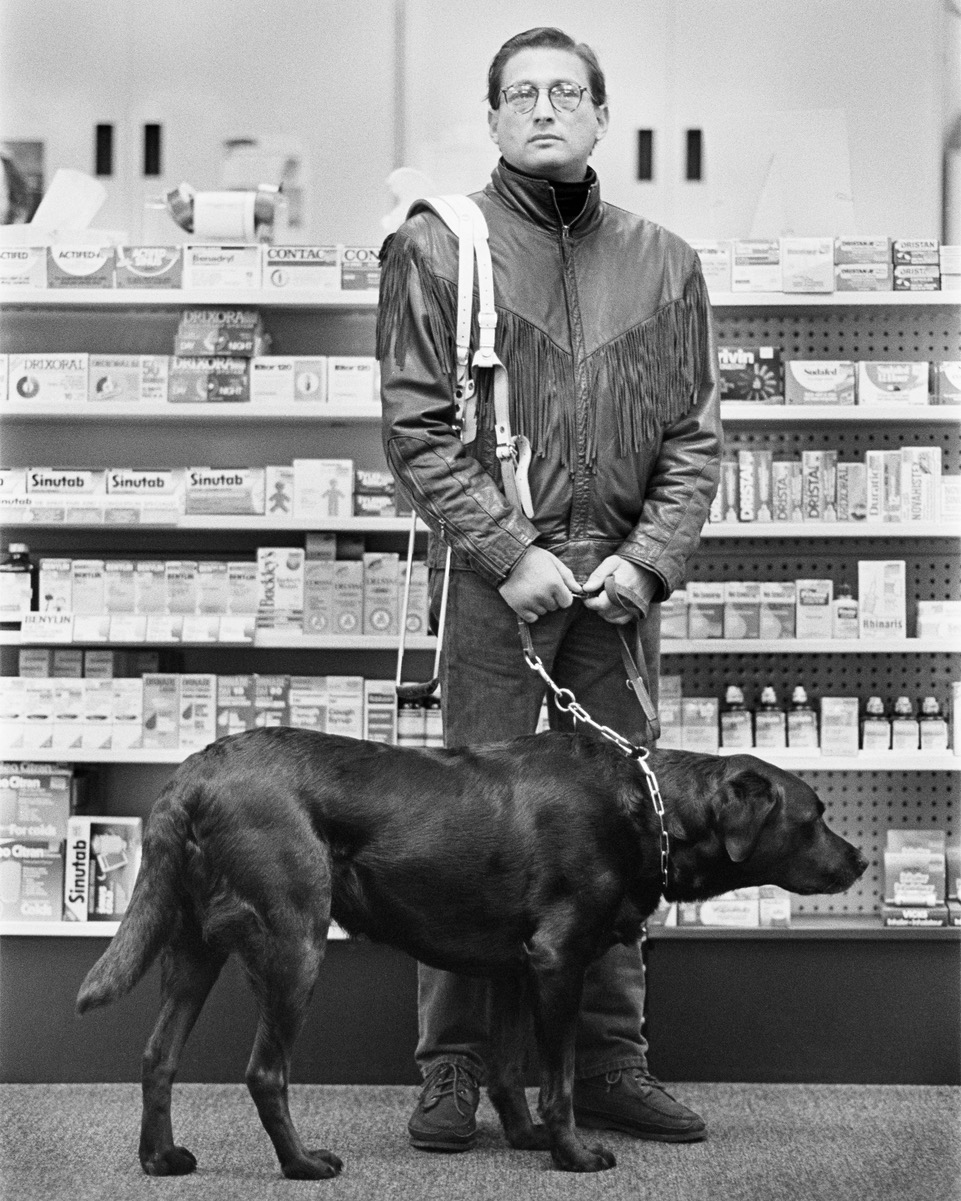
The Centre carries forward the vision and legacy of Dr. Peter Jepson-Young, a Vancouver physician who was diagnosed with AIDS in 1986. Dr. Peter courageously aired his voice on the 111-episode Dr. Peter Diaries—to challenge prevailing myths and give a human face to a disease that had, until then, mostly been relegated to news headlines.
Click to watch the Oscar-nominated "The Broadcast Tapes of Dr. Peter".Dr. Peter's radical belief in humanity and whole-person care remains a roadmap: treat people as people, not as the label attached to them.
As the decades went on, the people who came through DPC's doors brought overlapping challenges with them: not only HIV, but active substance use, mental illness, poverty, homelessness and trauma. We have remained responsive, ensuring that we continue to live the fullest expression of Dr. Peter's vision: treating the whole person, however they present.
Dr. Peter passed away in 1992, at the age of 35. After his death, his friends and family created what would become the Dr. Peter Centre. A cause that was taken up, in particular, by his mother Shirley.
The "Mama Bear": Shirley Young
.jpg)
Shirley Young didn’t set out to be an advocate. Her story begins the way many do, inside a family navigating fear and uncertainty. When her son, Dr. Peter, chose to speak publicly about living with HIV during the height of the AIDS crisis in the late 80s, it carried real risk. Stigma was sharp, and it landed not only on individuals, but on families too. Shirley’s first reaction, by her own account, was concern about what people would think. That instinct will be familiar to many of us. It reflects the pressure to contain, to stay quiet, to protect reputation in the face of judgment.
But Shirley did something that matters for our work here: she changed. She worked through that fear, moving closer toward her son and toward the broader community pushed to the margins by stigma. That shift, from hesitation to solidarity, became the foundation of everything that followed.
After Peter’s death in 1992, Shirley could have stepped back. Instead, she stepped further in. What began as a personal loss became part of building a place where care was not abstract or episodic, but daily and human. She helped build what you see today: The Dr. Peter Centre.
And after she built that, she could have once again stepped back, resting on the institutional legacy she helped create. But Shirley did not operate at a distance.
She kept showing up to the Centre, week after week and often every day for 30 years, volunteering. She served meals. She learned names. People called her “mom,” not because she was Dr. Peter’s mom, but because she made them feel like they were at home. Like they belonged.
From Dr. Peter's decision to be his authentic self, through to Shirley's commitment—and the commitment of several others—to extend that belonging to communities on the sidelines, we can track a clear through-line to the present day.
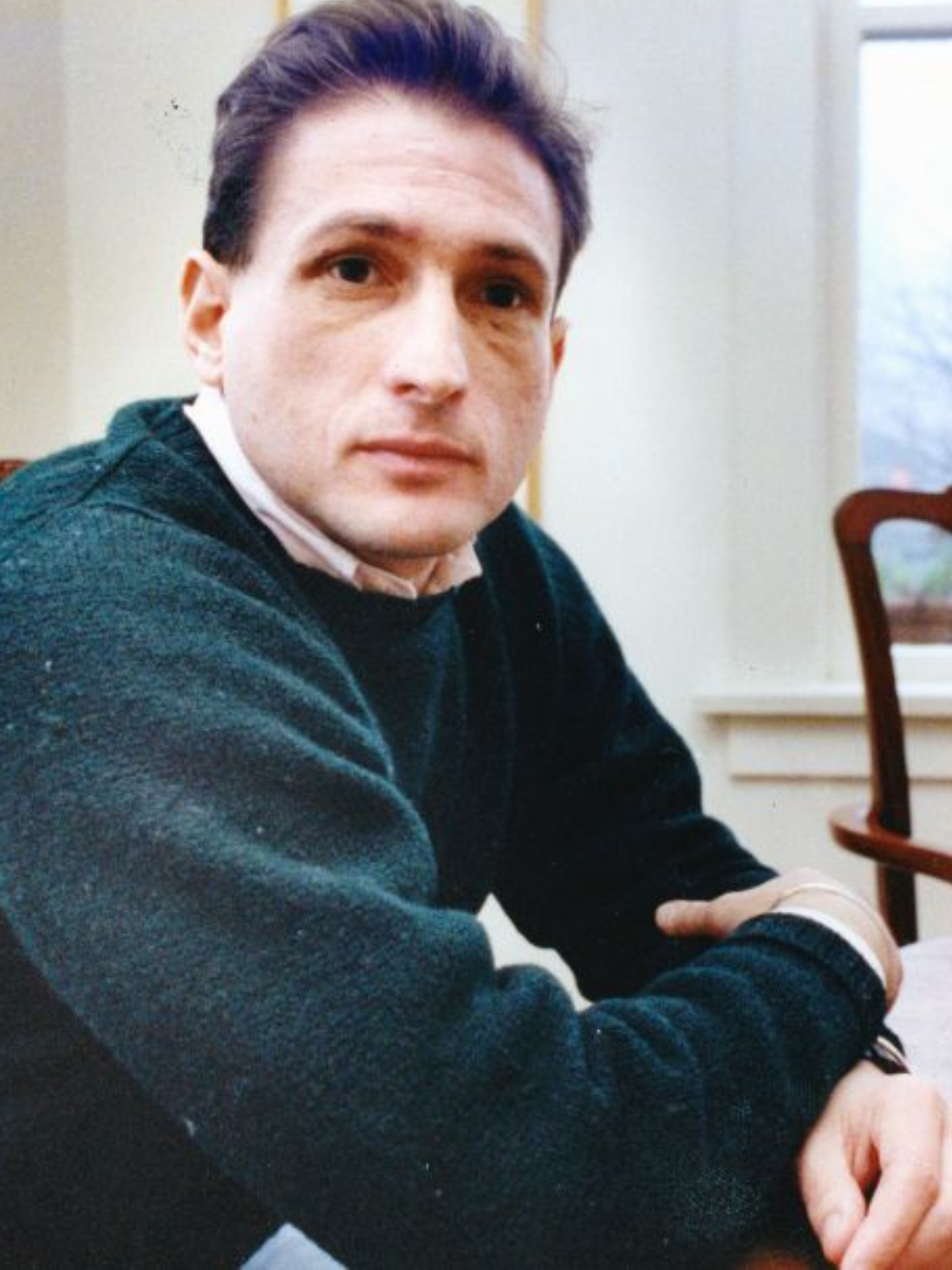
1986 - A young Vancouver physician named Dr. Peter Jepson-Young was diagnosed with AIDS.
1991 - Dr. Peter became the face of AIDS in British Columbia after he started hosting the CBC-TV series “The Dr. Peter Diaries.” Over 111 episodes, Dr. Peter confronted and dismantled the stigma, shame, and myths surrounding living with AIDS through stories of his own experiences.
1992 - Dr. Peter passes away from complications to AIDS.
1994 - The documentary compilation “The Broadcast Tapes of Dr. Peter” is nominated for an Oscar.
1995 - Work is underway to raise funds for a compassionate care facility in Vancouver, in accordance with the wishes of Dr. Peter Jepson-Young.
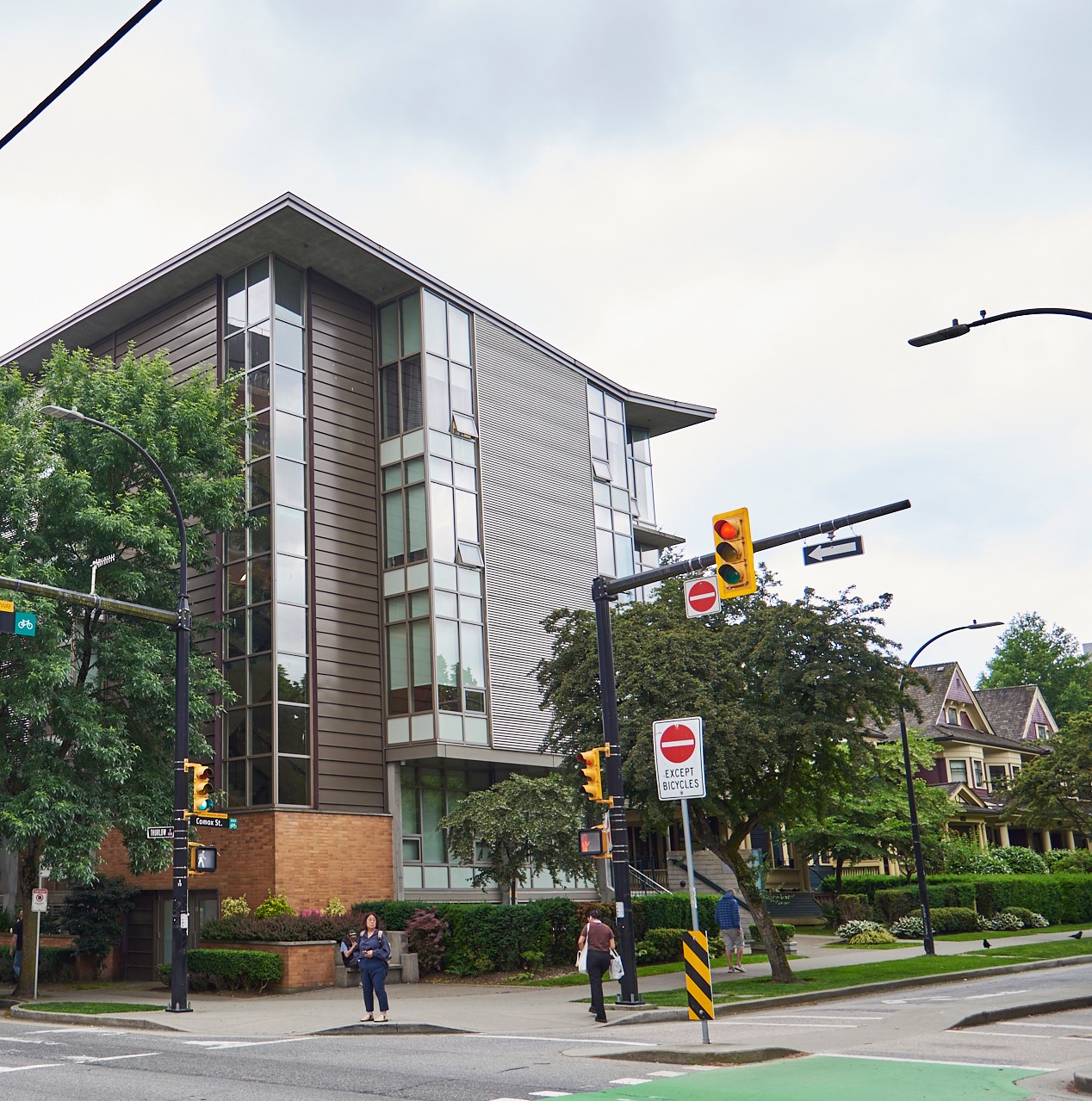
1997 - The Dr. Peter Centre (DPC) opens its 10-bed residence inside St. Paul’s Hospital.
2001 - The DPC successfully completes a $9.8 million capital campaign to build a standalone Dr. Peter Centre.
2002 - The DPC becomes the first health care facility in North America to integrate supervised consumption services into its model of care.
2003 - Doors to the new integrated health care facility, tripling day health capacity and doubling capacity for its
24-hour residential care.
2005 - The residence at the DPC evolves from an assisted living to a licensed care facility due to increasing
complexity of care provided.
2011 - The DPC is granted intervener status at BC Supreme Court in Insite’s appeal to continue to provide supervised consumption services. Services expand to include an Enhanced Supportive Housing program.
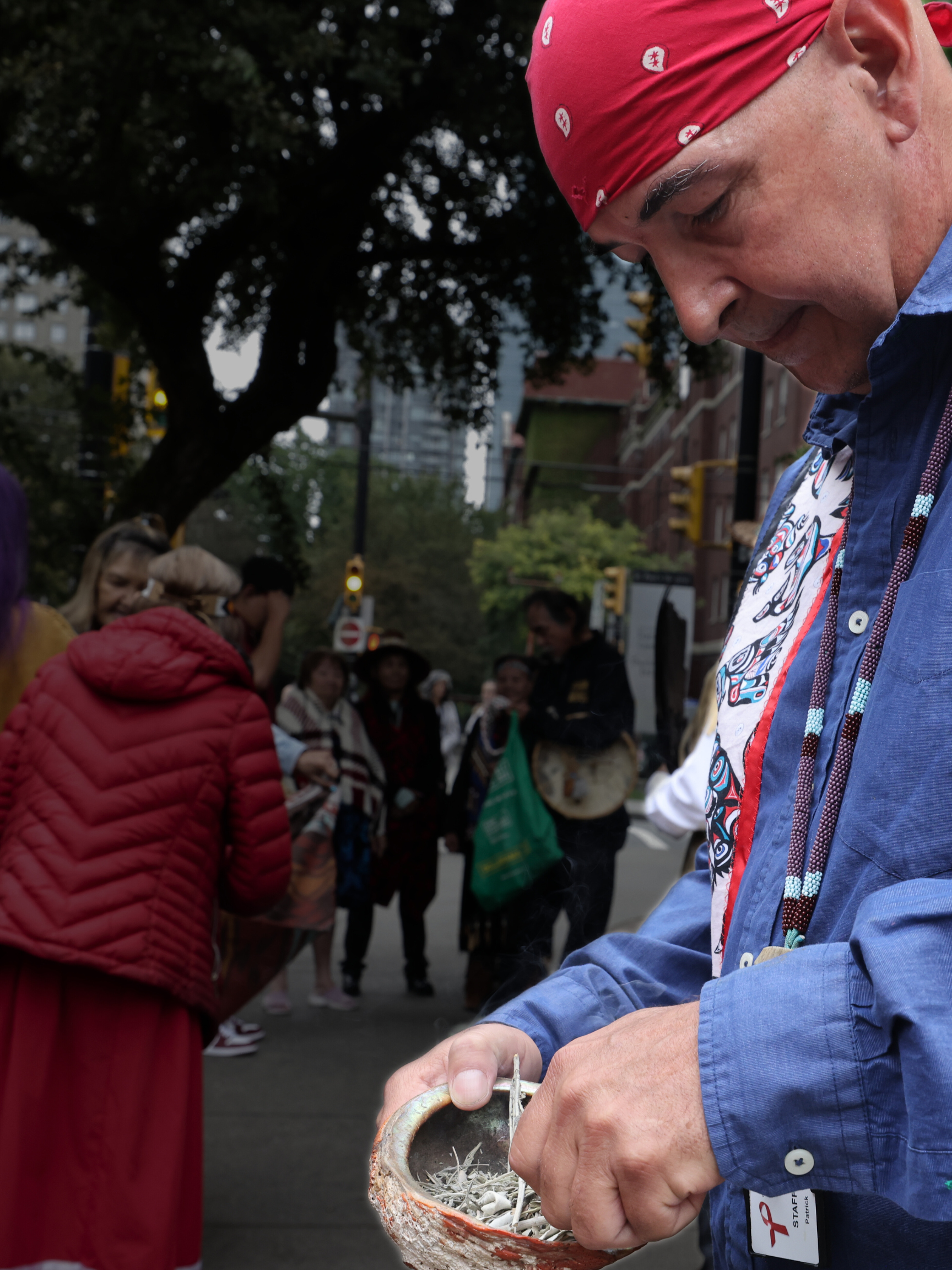
2014 - The DPC, in partnership with Vancouver Coastal Health, applies for an exemption from federal drug laws
in order to continue to provide supervised injection service to registered clients of the DPC, making it the first Canadian organization to apply for such an exemption since the 2011 Supreme Court ruling on Insite.
2016 - The Dr. Peter Centre receives a section 56 exemption under the Controlled Drugs and Substances Act (CDSA), which ensures the Centre’s nurses and clients will not be charged under federal drug laws for their activities related to providing and accessing supervised consumption services.
2023 - The DPC receives a $5.8 million grant from Health Canada's Substance Use and Addictions Program (SUAP) — the largest single grant in DPC's history — to fund a 3.5-year initiative to develop a national support system for frontline organizations and workers who support people who use drugs to successfully transition
across the continuum of care.
2026 and Beyond - Stay tuned—there are exciting advances on the horizon, as we deepen our innovative work at the Centre and expand our work nationally!